The Blueprint We Threw Away: Iraq's Air Defense Doctrine Was Ahead of Its Time
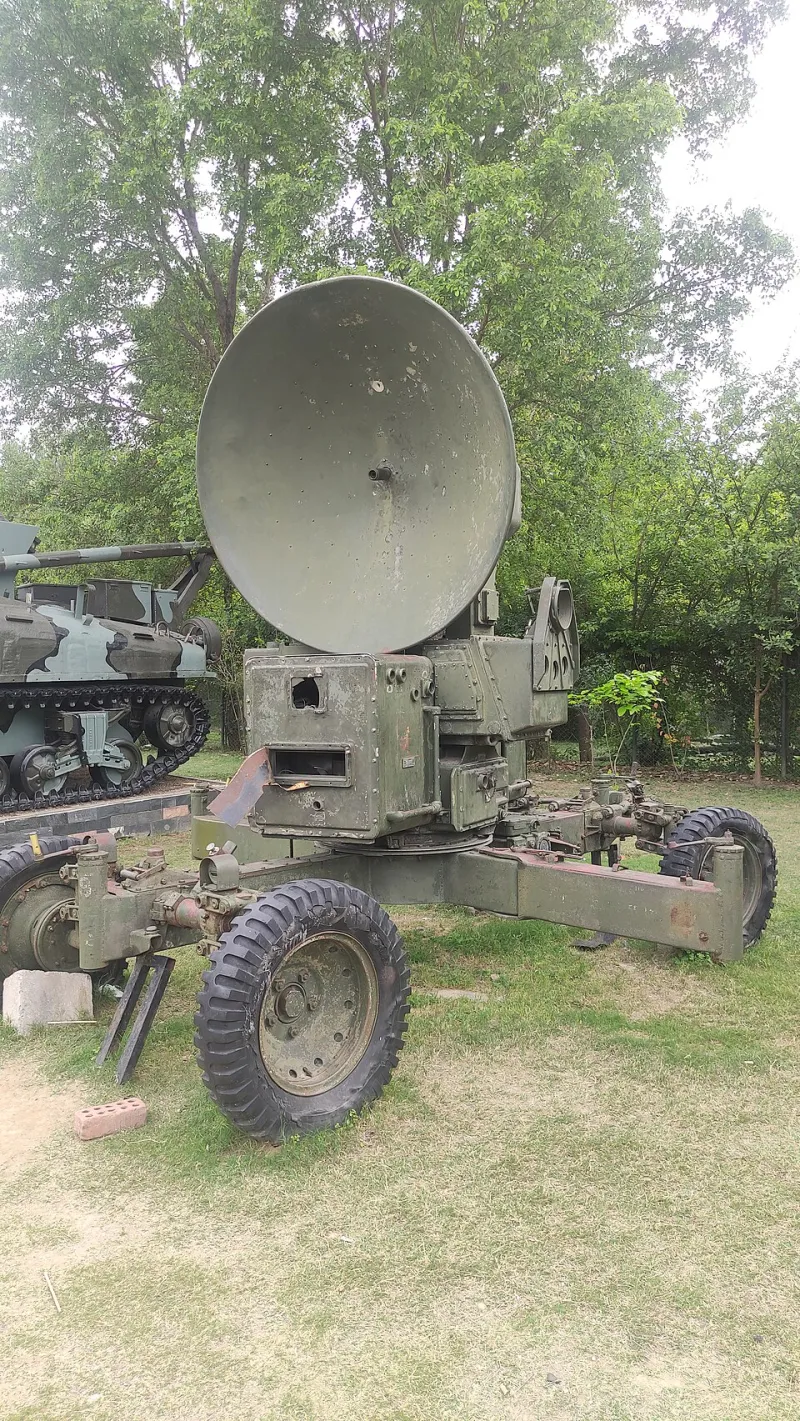
Photo: Pr0pulsion 123, CC BY-SA 4.0, via Wikimedia Commons
An Inconvenient Admission
Here is a claim that will irritate veterans of the air campaign: the Iraqi integrated air defense system was not simply a failure. Parts of it were an early, crude prototype of the anti-access/area-denial problem that now dominates American defense planning — and the United States spent two decades treating those parts as rubble rather than as lessons.
What Iraq Actually Built
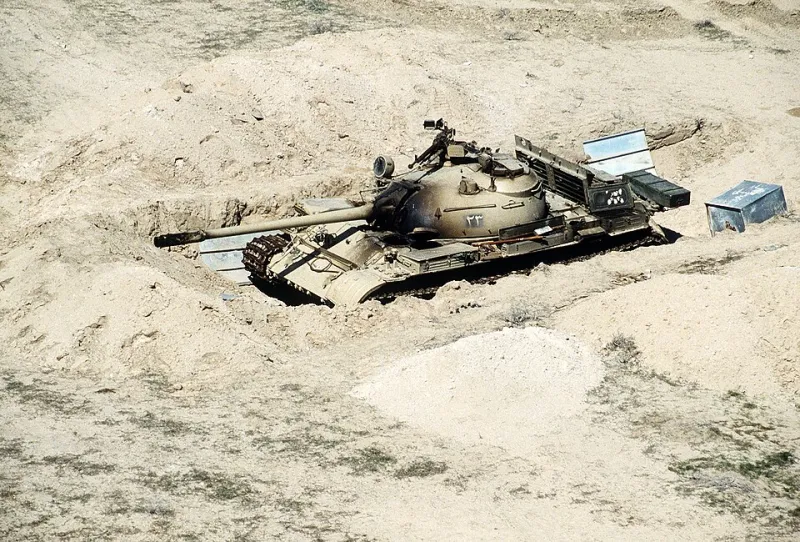
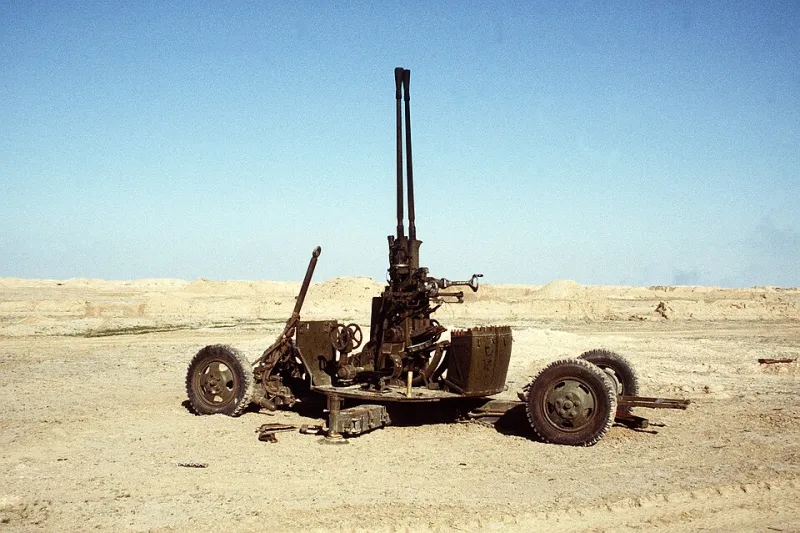
Strip away the propaganda and look at the architecture. KARI, the French-assisted command network, was designed to survive: hardened nodes, redundant links, distributed authority. When the coalition decapitated central command in 1991, individual sectors kept fighting — not effectively, but they kept emitting, kept tracking, kept forcing coalition aircraft to defend themselves. Iraqi crews learned to run radars in short bursts, to rely on optical observers and passive electronic listening, to make themselves expensive to attack.
That is precisely the doctrine the PLA has refined into a continental-scale system, that Iran has exported across the region, and that every American war game now treats as the central problem. We did not learn it from them first. We saw it in Iraq and filed it under 'defeated.'
The Arrogance of the Blowout
The 1991 victory created an intellectual hazard that outlasted the war itself. Because the campaign succeeded spectacularly, its conclusions hardened into dogma: stealth plus precision plus information dominance equals rapid victory. Dissenting data points — the Scud hunt's failure, the survivability of dispersed Iraqi command nodes, the way passive Iraqi sensors continued to complicate operations for years in the no-fly zones — were treated as annoyances rather than warnings.
The no-fly zone years are the most instructive and least examined chapter. For over a decade, coalition aircraft contended with an Iraqi air defense apparatus that never won a battle but never stopped imposing costs. That asymmetry — a weaker force extracting disproportionate effort from a stronger one through dispersion and patience — is the textbook definition of modern A2/AD.
What Listening Would Have Looked Like
Imagine if American air power doctrine in 2003 had treated Iraqi resilience as a case study rather than a footnote. Investment priorities might have shifted earlier toward suppression of distributed networks rather than decapitation of central ones. The assumption that air superiority, once achieved, stays achieved — the assumption that broke against insurgent air defenses and, later, against Chinese missile development — might have been challenged a decade sooner.
This is not nostalgia for Saddam's military. It is an argument that intelligence communities and air staffs owe their hardest thinking to defeated enemies, not just current ones. The men who kept Iraqi radars flickering after their command structure died understood something about modern air defense that took Washington until the mid-2010s to rediscover at scale.
The verdict on Iraq's air defenses is settled in the history books. It should not be settled in our doctrine.