Static and Silence: What Declassified Iraqi Air Defense Recordings Reveal About a Force Coming Apart
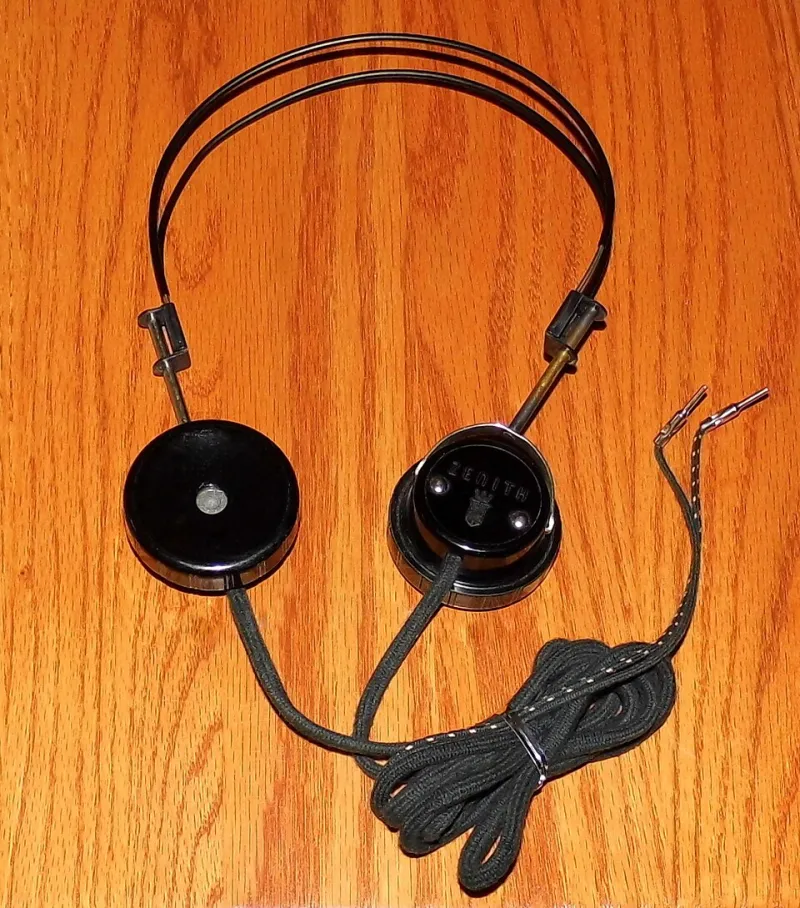
Photo: Joe Haupt from USA, CC BY-SA 2.0, via Wikimedia Commons
History tends to record the collapse of military organizations in aggregate terms—units that dissolved, positions that were abandoned, commanders who fled. What it captures less often is the texture of that collapse at the human level: the conversations that took place in the hours before surrender, the questions that went unanswered on the radio net, the silence that descended when operators realized that no one on the other end of the frequency was going to help them.
A body of declassified materials related to Iraqi air defense communications from the 2003 campaign and its immediate aftermath offers a rare window into exactly that texture. Examined carefully, these intercepts and archived recordings constitute something approaching an oral history of institutional disintegration—one told not by survivors in retrospect but by participants in real time.
What the Archive Contains
The materials in question derive from multiple collection streams. American signals intelligence assets operating during the campaign captured significant volumes of Iraqi military communications. Some of this material was processed, translated, and incorporated into operational assessments during the conflict. A portion has since been released through declassification reviews, supplemented by materials obtained through Freedom of Information Act requests and by researchers working with the National Security Archive.
The recordings are not complete. Significant gaps exist, and the declassified record necessarily reflects decisions about what could be released without compromising collection methods or ongoing intelligence equities. What remains is fragmentary but revealing.
Linguists and analysts who have reviewed these materials describe a consistent arc across the recordings: early confidence giving way to confusion, confusion yielding to improvisation, and improvisation collapsing into silence. The progression is not uniform—some operators maintained professional composure well into the campaign—but the overall pattern is unmistakable.
The Opening Days: Confidence and Miscommunication
In the recordings from the campaign's first hours, Iraqi air defense operators demonstrate a level of procedural competence that contradicts some popular characterizations of the force as wholly dysfunctional. Sector reporting procedures are followed. Radar contacts are called in with appropriate identifiers. Requests for engagement authority move through established channels.
What is equally apparent, however, is the degree to which those channels were already strained. Requests for clarification go unanswered for extended periods. Operators in outlying sectors report contacts and then wait—sometimes for minutes that stretch uncomfortably in the recordings—for acknowledgment from higher headquarters. When responses do come, they are occasionally contradictory, reflecting the coordination failures that coalition electronic warfare operations were specifically designed to induce.
One exchange, translated and cited in an unclassified NSA historical summary, captures an operator reporting multiple fast-moving contacts in his sector and requesting permission to engage. The response from his control node is a request to verify the contact count. He verifies. Another pause follows. The recording ends before any engagement authority is granted or denied. It is not known whether the operator ever received an answer.
The Middle Period: Improvisation Under Pressure
As coalition air operations intensified and the effects of electronic warfare and physical strike began to accumulate, the recordings reflect a shift in operator behavior. Formal reporting procedures begin to give way to more informal, urgent communication. Operators start sharing information laterally—reaching out to adjacent units rather than routing requests through disrupted command nodes.
This lateral communication is, in its way, a testament to the professionalism of individual operators. Faced with a command structure that was increasingly unable to function, some crews improvised an informal network of mutual reporting that extended the functional life of their situational awareness by hours or days. Linguists reviewing the recordings have noted that the tone of these lateral exchanges is markedly different from formal reporting—more conversational, occasionally expressing frustration or dark humor, but operationally focused.
The improvisation had limits. Without functioning engagement authority and with radar systems being systematically degraded by coalition jamming and anti-radiation missiles, the information these operators were sharing had diminishing tactical utility. They could see the picture more clearly than their command structure could process it. That disparity—between operator awareness and institutional capacity to act—is one of the most striking features of the archive.
The Voices Behind the Frequencies
What the recordings resist, and what makes them historically significant beyond their tactical content, is reduction to abstraction. These are individual human voices, and the personalities behind them are occasionally audible even through translation.
One operator, identifiable by a distinctive vocal pattern across multiple recordings, appears in the archive over a period of approximately four days. His early transmissions are procedurally precise. By the third day, his reporting has become terser, the pauses between transmissions longer. In what appears to be one of his final recorded transmissions, he reports a contact, waits for a response that does not come within the recording window, and then—in a phrase that translators have rendered with some variation across different reviews—says something to the effect of acknowledging that he understands the situation. The recording ends.
Analysts are careful not to over-interpret such moments. The context is incomplete, the translation is imperfect, and the temptation to construct a narrative around fragmentary evidence is a recognized methodological hazard. But the accumulation of such moments across the archive creates an impression that is difficult to dismiss: these were men who understood what was happening to their institution before their institution acknowledged it.
What the Silence Communicates
Perhaps the most analytically significant feature of the archive is not what the recordings contain but what they document through absence. Frequencies that were active in the campaign's early hours go quiet. Reporting nets that showed regular traffic simply cease to transmit. In some cases, the silence is abrupt—a final transmission followed by nothing. In others, traffic diminishes gradually, like a signal fading as a transmitter loses power.
Air Force intelligence analysts who have worked with similar materials from other conflicts describe this pattern of communicative dissolution as a reliable indicator of institutional collapse. Unlike physical destruction, which can be observed and assessed from imagery, the collapse of a communications network captures the human decision to stop—to put down the handset, leave the position, or simply cease reporting to a command structure that has ceased to function.
The Iraqi air defense network that coalition forces faced in March 2003 was not destroyed solely by physical means. It was dismantled, in significant part, by the accumulated weight of isolation, confusion, and the dawning recognition among its operators that the institutional framework they depended on was no longer capable of supporting them.
What the Archive Teaches
The declassified Iraqi air defense recordings are not comfortable documents. They capture the dissolution of a military organization at the level of the individual human beings who staffed it, and they do so with an intimacy that more formal historical records rarely achieve.
For students of air power and military history, they offer several durable lessons. The resilience of individual operators—the capacity for improvisation and lateral coordination even as formal command structures fail—is more significant than institutional narratives of collapse typically acknowledge. The gap between operator awareness and institutional capacity to act is a vulnerability that appears across military organizations regardless of nationality or doctrine. And the moment when operators understand that the battle is over, often before their commanders have admitted it, is a moment that leaves traces in the record if one knows how to listen for them.
The voices in the static are, in the end, the most honest account available of what it meant to be on the losing side of the most comprehensive air campaign in modern history. They deserve to be heard.